ByJohn A
Comparing Catheter Tip Design to Other Common Syringe Tip Styles
Placing the catheter tip design in context alongside other common syringe tip styles helps clarify exactly what distinguishes this particular design and why it can’t simply be substituted with alternative tip types for its intended applications. This comparison walks through the key differences between catheter tips and other frequently encountered designs.
Catheter Tip Versus Luer Lock Design
While luer lock tips use a threaded connection specifically designed to accept needles or IV tubing connectors, the catheter tip’s tapered shape is designed for direct friction-fit connection into catheters or feeding tubes, making these two designs suited to fundamentally different connection purposes.
Catheter Tip Versus Luer Slip Design
Similarly, luer slip tips share the needle-connection purpose of luer lock designs, just using a simpler friction-fit attachment method rather than threading, meaning both luer variants remain fundamentally different in purpose from the catheter tip’s dedicated tube and catheter connection function.
See also: The Benefits of Professional Asset Redeployment Services
Catheter Tip Versus Eccentric Tip Design
Eccentric tip syringes position their needle-compatible opening off-center to support angled venipuncture access, representing yet another needle-focused design distinct from the catheter tip’s entirely needle-free, tube-connection purpose.
Physical Shape Differences Supporting Each Function
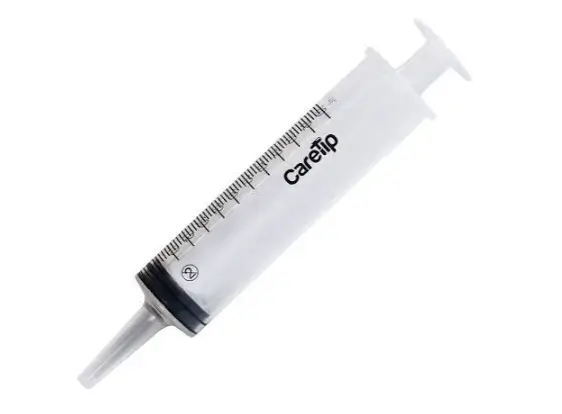
The catheter tip’s notably longer, more gradual taper compared to the shorter, more abrupt tip shapes typical of needle-compatible designs directly reflects its different functional purpose, creating a shape specifically optimized for secure insertion into tube openings rather than needle hub attachment.
Why Substitution Between Tip Types Isn’t Appropriate
Given these fundamental design differences, attempting to substitute a needle-compatible tip design for an application requiring catheter connection, or vice versa, would likely result in an inadequate or unreliable connection, making correct tip selection an important practical consideration.
Selecting the Appropriate Tip for a Given Task
Clinical staff and procurement teams should clearly identify the specific connection requirement of a given task, whether needle attachment or catheter connection, before selecting the appropriate tip design rather than assuming general interchangeability across different tip styles.
Understanding the Complete Range of Tip Options
For a more detailed comparison placing the catheter tip design within the broader context of available options, reviewing information on catheter tip design compared to alternatives helps clarify appropriate selection across different clinical needs.
Frequently Asked Questions
Why can’t a luer lock syringe simply be used for catheter connection applications? Luer lock tips use a threaded connection specifically designed for needle or IV tubing attachment, a fundamentally different connection mechanism than the friction-fit taper the catheter tip design provides for tube connection.
What physical characteristic most distinguishes the catheter tip from needle-compatible designs? The catheter tip’s notably longer, more gradual taper, compared to the shorter, more abrupt shapes typical of needle-compatible designs, directly reflects its different functional purpose of secure tube insertion.
Is it appropriate to substitute tip designs across different applications? No, attempting to substitute a needle-compatible tip for a catheter connection application, or vice versa, would likely result in an inadequate or unreliable connection, making correct tip selection important.
Final Thoughts
Understanding how the catheter tip design compares to and differs from other common syringe tip styles clarifies why appropriate tip selection matters for reliable, secure clinical connections. This comparative understanding supports confident, correct device selection across the range of tasks clinical staff encounter.