ByJohn A
Choosing the Right 3 Phase Electric Motor for Industrial Applications
Selecting the correct motor for an industrial application is rarely as simple as matching horsepower to load. Engineers and procurement teams need to weigh efficiency ratings, duty cycles, environmental conditions, and long-term maintenance costs before settling on a specific model, and getting this decision wrong can mean costly downtime or premature equipment failure down the line.
Why Three Phase Motors Dominate Industrial Settings
Three phase motors are the standard choice across most industrial and manufacturing environments, largely because they deliver smoother, more consistent torque compared to single phase alternatives. This smoother power delivery reduces mechanical stress on connected equipment, extends bearing life, and generally results in a more reliable long-term operation, particularly for continuous-duty applications like pumps, conveyors, and compressors.
The three phase design also allows for more compact motor construction relative to power output, since the alternating current phases work together to produce rotating magnetic fields more efficiently than single phase designs. This translates into motors that deliver more power for a given physical size, which matters in facilities where space around equipment is limited.
Matching Motor Specifications to Application Needs
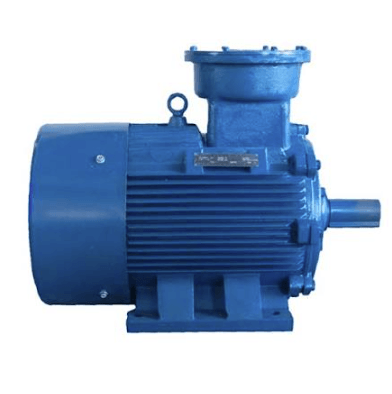
When evaluating a 3 phase electric motor for a specific application, engineers typically start with the required horsepower or kilowatt output, but this is only the starting point. Frame size, mounting configuration, and shaft dimensions need to align with existing equipment, while the enclosure type, whether totally enclosed fan-cooled or open drip-proof, should match the environmental conditions the motor will operate in, including dust, moisture, and ambient temperature.
Efficiency class is another factor that deserves attention beyond the immediate purchase price. A higher efficiency motor typically costs more upfront but can deliver significant energy savings over its operating life, particularly for motors that run continuously or under heavy load for extended periods.
Common Applications Across Industries
Three phase motors power an enormous range of industrial equipment, from HVAC systems and water treatment pumps to manufacturing line conveyors and packaging machinery. Their reliability under continuous operation makes them the default choice wherever consistent, predictable performance matters more than initial cost, which describes the majority of industrial applications in modern manufacturing facilities.
See also: Mattress Cleaning Service Dubai for a Healthier Home and Better Sleep
Maintenance Practices That Extend Motor Life
Proper maintenance significantly affects how long a three phase motor performs reliably. Regular bearing lubrication, periodic insulation resistance testing, and keeping the motor free of dust and debris buildup all contribute to extended service life. Vibration monitoring has also become increasingly common in industrial settings, allowing maintenance teams to detect bearing wear or misalignment issues before they escalate into full motor failure.
Working With Experienced Suppliers
Given the technical complexity involved in motor selection, working with a supplier that can provide detailed specification sheets, efficiency ratings, and application guidance tends to reduce the risk of selecting an undersized or poorly matched motor. Experienced suppliers can also advise on drive compatibility for applications requiring variable frequency control.
Conclusion
Selecting the right three phase motor requires balancing immediate performance needs against long-term reliability and efficiency considerations. With careful specification and attention to maintenance practices, these motors continue to serve as the reliable backbone of industrial equipment across countless applications.
FAQs
Q1: How do I determine the right motor size for my application? Motor sizing depends on load torque requirements, duty cycle, and starting conditions, so consulting equipment manufacturer specifications or an experienced supplier is recommended.
Q2: What’s the difference between totally enclosed and open drip-proof motor enclosures? Totally enclosed motors are sealed against dust and moisture ingress, making them suitable for harsher environments, while open drip-proof designs rely on airflow for cooling and suit cleaner indoor settings.
Q3: How often should industrial motors be serviced? Maintenance intervals vary by application and duty cycle, but regular lubrication and periodic inspection, typically every few months to a year, help extend motor lifespan.