ByJohn A
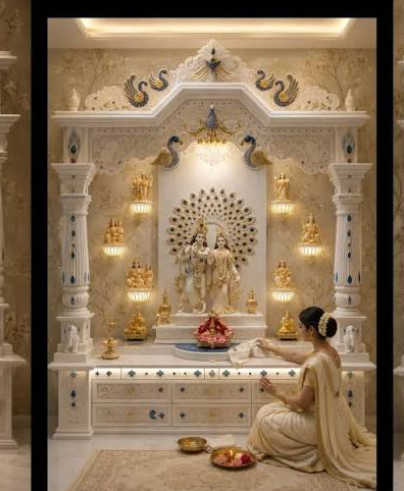
Marble Pooja Mandir Is Inspiring a New Generation of Sacred Interior Design
Across many homes today, the prayer corner has quietly become a design decision rather than an afterthought. Families want a space that carries devotion while still sitting well inside a considered interior. A marble pooja mandir now answers both needs at once, giving daily worship a setting that feels rooted and genuinely lived in.
The difficulty many households face is finding a shrine that honours tradition without looking out of place beside contemporary furniture and clean lines. This is where a marble pooja mandir proves its worth, translating age-old temple language into a form that suits modern rooms. Natural stone brings warmth and quiet permanence that lighter materials rarely hold.
The Quiet Mismatch between Faith and Furnishings
Devotional Spaces That Feel Out of Step: Many prayer areas feel disconnected from the homes around them because the mandir was chosen with no regard for the surrounding design. A carved unit that ignores the room can read as heavy or dated, and the ritual slowly loses its calm. In everyday studio practice, designers meet families who chose in haste and later regretted it.
The Real Cost of Rushing the Choice: Postponing a considered decision usually narrows the options rather than widening them. Families who buy hastily from roadside vendors or intermediaries often receive stone that varies in tone or thickness once it arrives. Replacing a poorly matched shrine costs far more than choosing well the first time, in both money and disruption.
Natural Marble as a Foundation for Lasting Beauty
Stone That Carries Heritage into Modern Rooms: Natural marble suits contemporary interiors because its soft white ground and gentle veining sit comfortably beside minimal furniture and warm wood. The material carries centuries of temple heritage, yet it never feels museum-like inside a family home. Designers now pair a hand-carved shrine with pared-back cabinetry, so the stone leads while the room stays current.
Why the Stone Endures for Generations: Marble lasts for generations because it forms under heat and pressure into a dense, tightly bound material. Its calcite crystalline structure gives the surface a fine grain that takes detailed carving and resists wear. A shrine cut from good white marble holds its lines and glow across decades, ageing gracefully rather than fading as resin-based pieces do.
Craftsmanship Shaped by Trained Design Eyes: A well-made marble pooja mandir begins long before carving, with designers who study proportion, light and the room it will occupy. A design-led approach, still uncommon across this largely unorganised trade, sends trained mandir specialists to the quarry and workshop to learn both the stone and its aesthetics. That grounding shows in scale and detail that feel deliberate.
Handcrafted Custom Work Compared with Ready-Made Units
What Custom Carving Offers over Stock Pieces: Custom carving offers a shrine sized and detailed for one specific home, which factory-made units cannot match. Stock pieces arrive quickly and cost less at first, yet they force the room to adapt to the object instead of the reverse. Buyers who value exact fit and proportion tend to find bespoke work more satisfying.
When a Ready-Made Piece Still Makes Sense: A ready-made shrine can suit a tight budget or an urgent timeline, and this trade-off deserves honest weight. The saving is real, though it usually brings limited sizes and stone of uncertain origin. For a lifelong devotional centrepiece, most families decide a made-to-order approach returns far more in daily pleasure and value.
The Lasting Worth of a Well-Chosen Shrine
Durability That Protects the Investment: A quality marble shrine protects its value because the stone withstands daily handling without chipping or dulling. Good white marble carries a natural flexural strength that lets slim carved panels stay intact through years of cleaning, lamp heat and everyday knocks. Unlike lighter substitutes, it rarely needs replacement, which makes the initial outlay easier to justify.
Simple Care That Keeps It Radiant: A marble mandir stays radiant with little more than regular dusting and an occasional wipe using a mild, stone-safe cleaner. Harsh acids and abrasive pads are best avoided, since they dull the polish over time. With this light routine, the surface keeps its quiet glow, and the shrine remains a calm focal point in the home.
See also: Vinyl Signage Installation: How It Helps Improve Business Visibility
Practical Points That Shape a Confident Choice
Choosing a marble pooja mandir becomes far simpler once a few practical points are clear from the outset. Thinking through material, placement and craftsmanship early prevents costly changes later and helps the finished shrine settle naturally into the home. The points below gather the considerations that most often shape a lasting decision.
- White Vietnam marble, also called Swiss white and super fine white Vietnam marble, gives temples a bright, even ground that suits fine carving.
- A north-east or eastern position within the home is traditionally favoured for prayer and a settled mind.
- Scale should match the room, so measure the niche or wall before settling on a compact or standalone form.
- Crisp, clean carving lines signal skilled handwork rather than rushed, machine-finished production.
- A trusted, structured source removes the guesswork of intermediaries and brings clarity to delivery and installation.
Bringing Timeless Devotion into Everyday Living
A thoughtfully made marble pooja mandir turns daily prayer into something grounded and beautiful, a presence the whole family feels. Waiting often means settling for a hurried compromise that never quite fits, when the right shrine could be shaping calmer mornings instead. Speak with a specialist design team today and begin planning a sacred centrepiece made to last for generations.